When and Why to Trim Trees on Your Property
Tree trimming is one of those tasks that property owners often put off until a branch scrapes the roof or a storm causes damage. Done at the right time and in the right way, it keeps trees healthy, reduces risk, and improves how your landscape looks. But knowing when to trim and what to look for is not always obvious. This article explains the practical reasons for trimming, the signs that a tree needs attention, and how the process works for most residential and light commercial properties.
Why trimming matters beyond appearances
A well-kept tree does more than look tidy. Trimming removes dead, diseased, or weak branches before they become a hazard. In wind or heavy rain, a dead limb can break and fall onto a house, a car, or a person. Regular trimming also lets more sunlight and air reach the inner parts of the tree, which helps leaves stay healthy and reduces the chance of fungal growth.
Another reason to trim is to guide how a tree grows. By cutting certain branches, you can shape the crown, encourage stronger structure, and keep limbs from rubbing against each other. Over time, this reduces the need for major pruning later. For trees near buildings, driveways, or power lines, trimming keeps them from interfering with structures or utilities.
Signs that a tree needs trimming
You do not need to be an arborist to spot trouble. Look for these common signs that a tree should be trimmed:
- Branches that are dead, cracked, or hanging loosely
- Limbs that rub against the house, roof, or siding
- Branches that cross or grow inward toward the trunk
- Dense foliage that blocks light from reaching lower branches or nearby plants
- Signs of disease, such as discolored leaves, peeling bark, or fungal growth on the trunk
If you notice any of these, it is a good idea to have the tree inspected. Some issues, like a large dead limb, need attention right away. Others can wait for a scheduled trimming session. The key is not to ignore them until a storm forces the issue.
When is the best time to trim?
Timing depends partly on the type of tree and partly on your goals. For most trees, the best time for major trimming is during late winter or early spring, before new growth starts. At that point, the tree is dormant, which means less stress and less sap loss. It is also easier to see the branch structure without leaves in the way.
However, there are exceptions. Trees that flower in early spring, like dogwoods or redbuds, should be trimmed right after they bloom to avoid cutting off next year's buds. Dead or hazardous branches can be removed at any time of year. Some species, such as oaks and elms, have specific times when trimming is safer to avoid diseases like oak wilt or Dutch elm disease. A professional can advise on what works for each tree on your property.
What proper trimming involves
Trimming is not just cutting branches wherever they seem long. A good trim follows a few basic rules. Cuts should be made just outside the branch collar, the swollen area where the branch meets the trunk or a larger limb. Cutting too close to the trunk removes the natural defense zone and can slow healing. Leaving a stub makes it harder for the tree to seal the wound and invites decay.
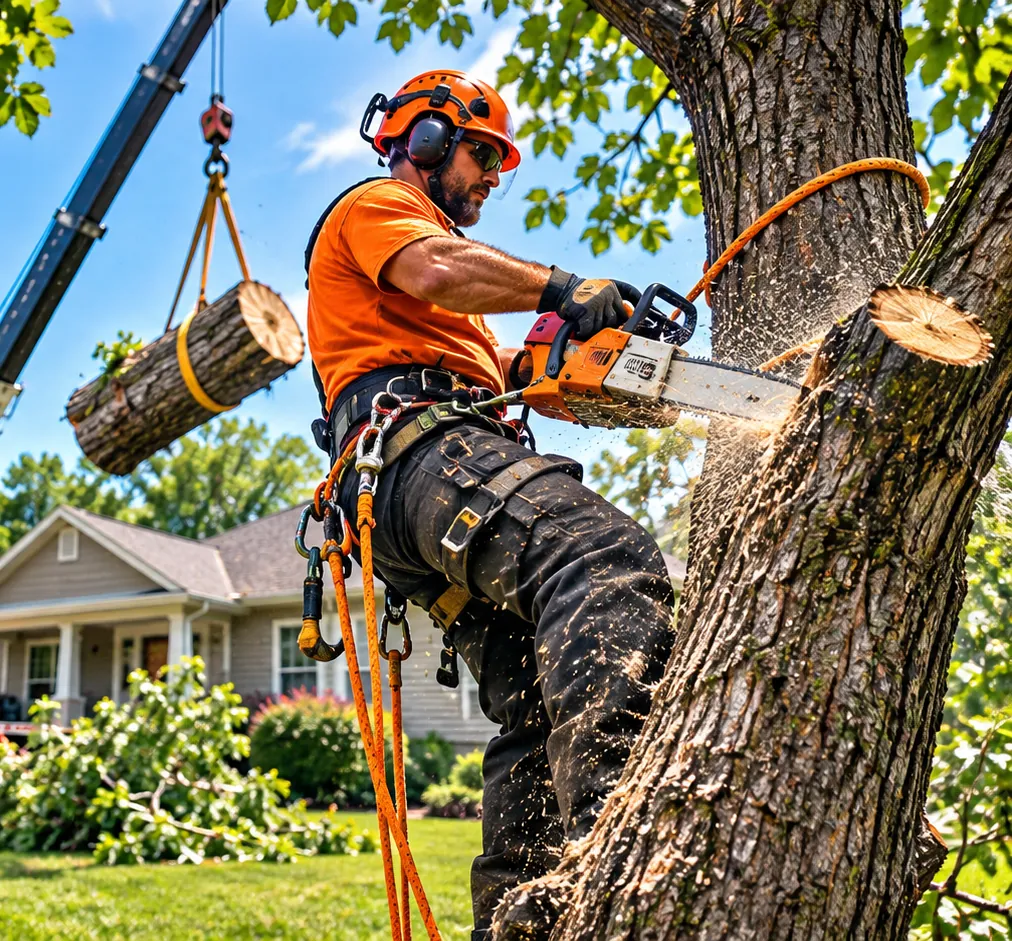
Arborists also pay attention to the angle and direction of cuts. They remove branches that grow toward the center of the tree, that cross other branches, or that have weak attachment angles. The goal is to leave a balanced crown with room for air movement and future growth. For large or high branches, climbing and rigging techniques are used to lower them safely without damaging the tree or anything below.
Safety and the limits of DIY trimming
Many homeowners trim low branches with a pole saw or hand pruner, and that is fine for small work near the ground. But when branches are high, heavy, or close to power lines, the risks increase quickly. A falling limb can cause serious injury. A ladder on uneven ground can tip. Even a small mistake with a chainsaw can lead to a bad accident.
For work above shoulder height or near structures, it is wise to call in a professional. Companies like Jasper Tree Removal have the training, equipment, and insurance to handle tricky jobs safely. Their crews know how to assess a tree's condition, plan cuts, and remove debris without damaging the yard or house. They also know local regulations and can help with permits if needed.
What to expect during a professional trimming visit
When a trimming crew arrives, they will first walk around the property and look at each tree. They may point out dead wood, weak crotches, or limbs that overhang the roof. Then they will explain what they plan to do and give a clear estimate. The work itself can take anywhere from an hour to most of a day, depending on the number of trees and the complexity of the job.
The crew will use climbing gear, ropes, and sometimes a bucket truck to reach high branches. They make cuts from the top down, lowering each piece with ropes if it could hit something below. After the trimming is done, they usually clean up the debris, chip the smaller branches, and stack or remove the larger logs. You should not have to handle disposal yourself.
After the trim: what to watch for
A freshly trimmed tree may look a bit bare at first. That is normal. Within a few weeks, new buds will appear, and the tree will fill out again. Keep an eye on the cuts to make sure they are healing cleanly. If you see oozing sap, discoloration, or fungal growth near a cut, it could mean the tree has an underlying disease that needs treatment.
Watering and mulching around the base can help a tree recover from trimming stress. Avoid fertilizing right after a major trim, let the tree focus on healing rather than pushing new growth. If you are unsure how the tree is responding, a follow-up inspection by an arborist can give peace of mind.
Regular trimming every few years keeps most trees in good shape. The exact interval depends on the species, its growth rate, and its location. Fast-growing trees like silver maples may need attention every two to three years, while slower growers can go five or more years between trims. Keeping a schedule prevents small problems from turning into big ones.
Choosing a trimming service
Not every company that offers trimming does it the same way. Look for one that employs trained arborists who understand tree biology and safe cutting practices. Ask about insurance, especially liability and worker's compensation, to protect yourself in case of an accident. A good company will provide a written estimate and explain what they will and will not do.
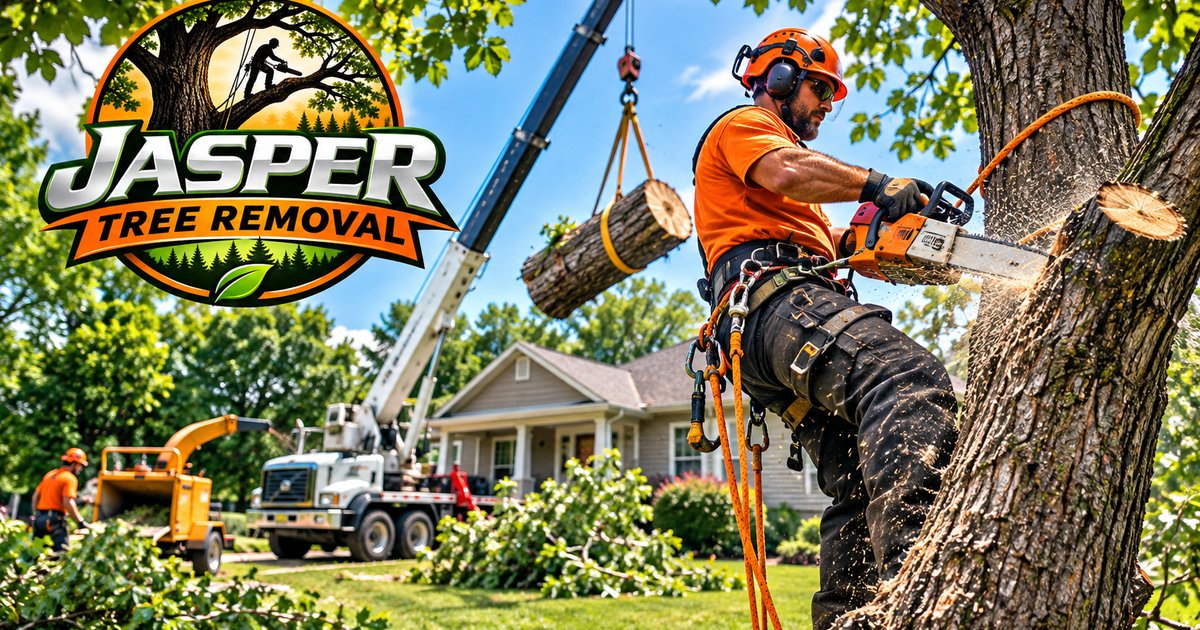
Jasper Tree Removal offers trimming services for residential and light commercial properties in Jasper and Pickens County, Georgia. Their team handles everything from routine maintenance to storm cleanup and lot clearing. When you work with a local company, you get people who know the tree species and growing conditions in your area, which makes for better long-term care.
Tree trimming is not something to put off until there is an emergency. A little regular attention keeps your trees healthy, your property safe, and your yard looking its best. If you have trees that have not been trimmed in a few years, now is a good time to take a closer look and decide what needs to be done.
Jasper Tree Removal on social media
 Twitter
 Instagram
 YouTube